Featured in: Top Gear Australia: Ashes Special, Round 5

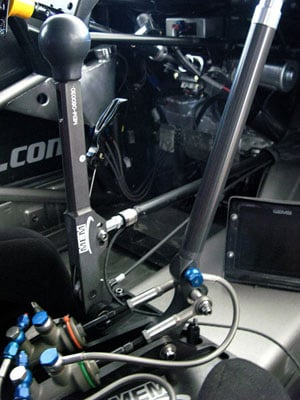
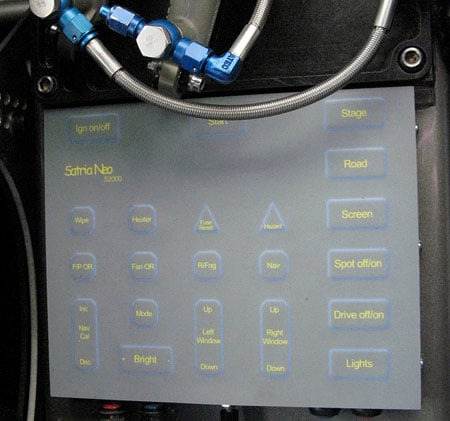
How it started (click to view)
The Proton Satria Neo Super 2000: Malaysia’s Underdog Fighter That Took on the Rally World
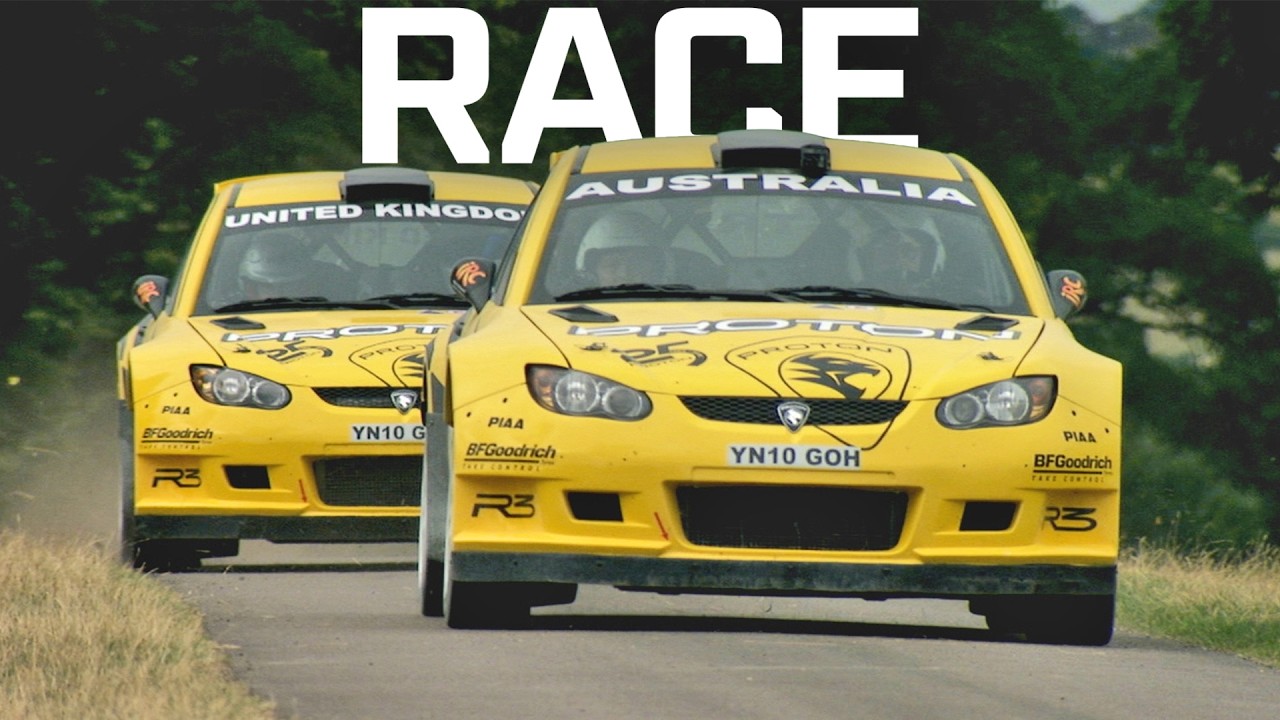
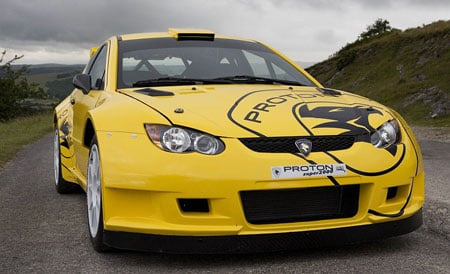
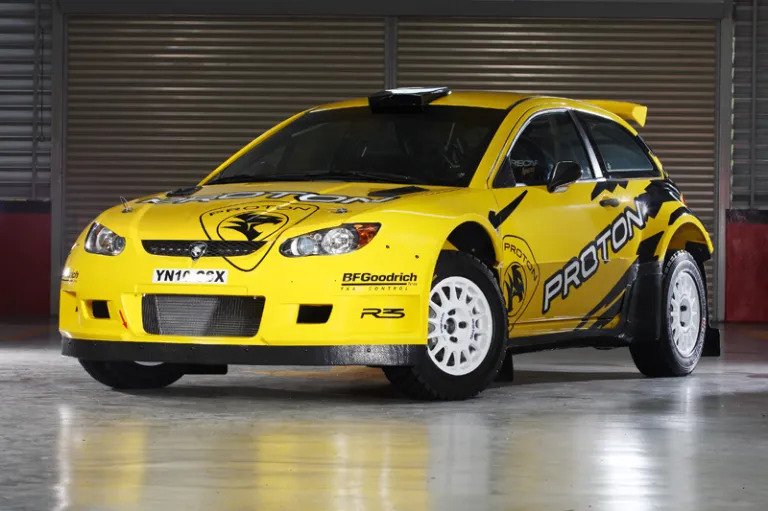
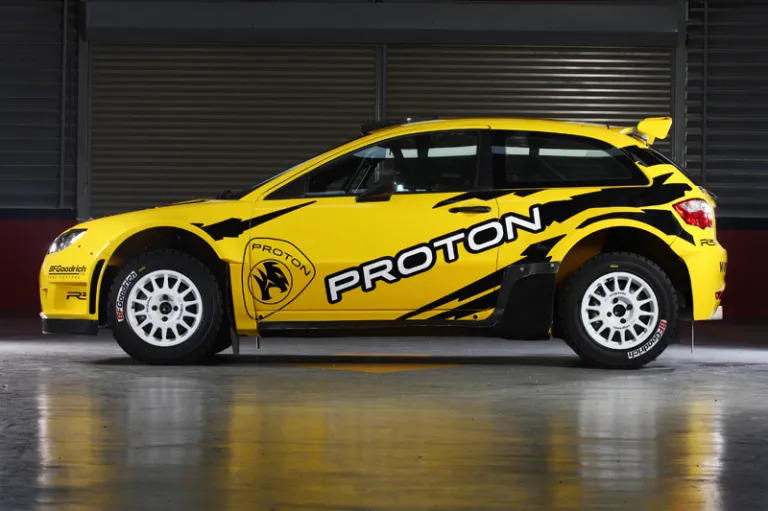
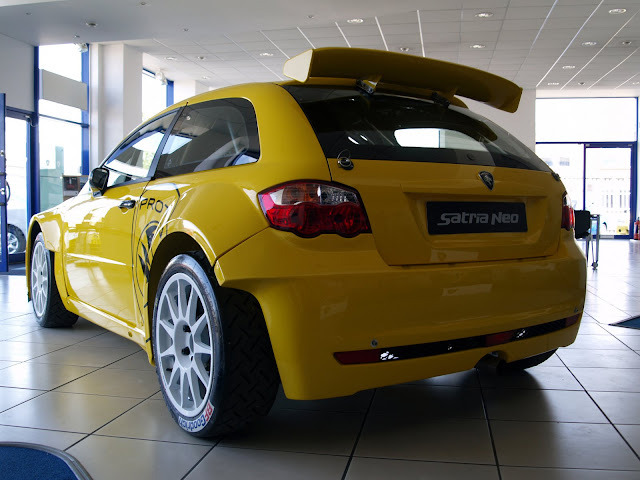
Many rally enthusiasts were astonished when Proton announced plans to build a Super 2000 rally car. The Malaysian automaker previously competed with the Proton PERT Evo in Group N. However, entering the highly competitive S2000 category, dominated by automotive giants like Peugeot, Škoda, and Ford, seemed to be a risky decision. Nevertheless, the Proton Satria Neo Super 2000 would go on to captivate the rallying world and create a cult following far bigger than its humble road-car origins.
The Beginning of An Era: A Bold Move Into Top-Tier Rallying
The story of the Satria Neo S2000 truly began with Proton’s determination to re-establish a global motorsport presence after a quiet period in the early 2000s. Proton provided the base road car chassis and engine block, while the specialized rally car development and engineering were handled by its British partner, Mellors Elliot Motorsport (MEM).
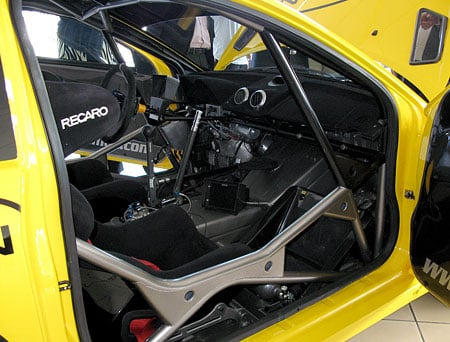
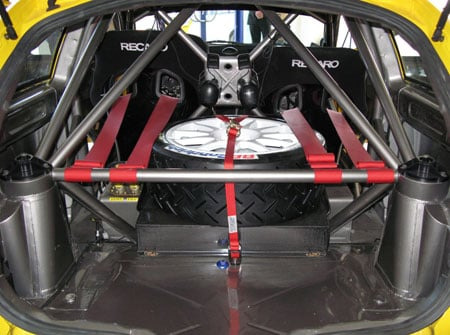
The base Satria Neo road car was compact, but the S2000 regulations meant MEM could dramatically re-engineer the chassis: wider arches, revised suspension geometry, 4WD drivetrain, and a purpose-built 2.0-litre naturally aspirated engine revving beyond 8,000 rpm. It was the first time a Proton rally car was built from the ground up to international specifications rather than modifying existing Mitsubishi platforms.
The Satria Neo S2000 made its first rally debut piloted by Bryan Bouffier and co-driver Xavier Panseri in the Rallye Antibes Cote d’Azur leg of the 2008 European Rally Championship in the South of France.
Specifications (click to view)
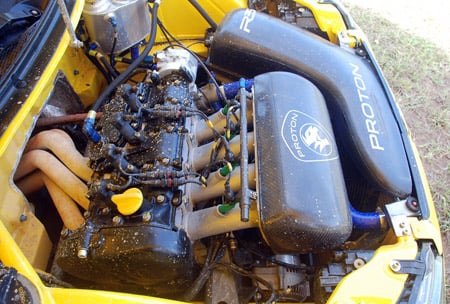
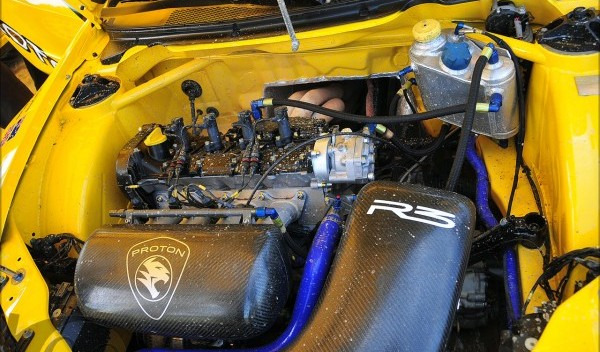
Engine:
- Engine Type: Renault F4P engine from a Proton Waja, 4-cylinder, DOHC, 16-valve, naturally aspirated
- Fuel Type: Petrol
- Displacement: 1,998 cubic centimetres (2.0 litres)
- Engine Layout: Front, transverse
- Transmission Type: Xtrac 6-speed sequential
Performance Figures:
- Peak Power: 278 horsepower @ 7,600 rpm
- Peak Torque: 271 newton-metres of torque
- RPM Limit: 8,500 rpm
- Power to Weight: 243 horsepower per metric tonne
Dimensions:
- Body Style: 3-door hatchback
- Length: 3,905 millimetres
- Width: 1,800 millimetres
- Height: 1,300 millimetres
- Wheelbase: 2,440 millimetres
- Front Tread: 1,543 millimetres
- Rear Tread: 1,543 millimetres
- Curb Weight: 1,150 kilograms
- Front Tires: 235/40 R18 (tarmac)/ 205/65 R15 (gravel)
- Rear Tires: 235/40 R18 (tarmac)/ 205/65 R15 (gravel)
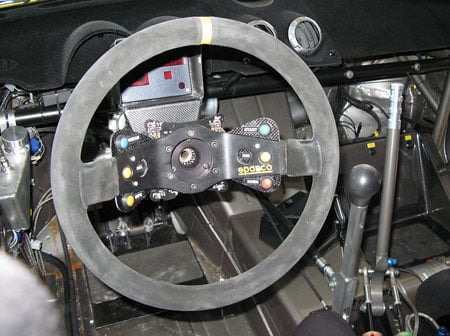
What impressed many drivers was the Neo’s steering feel and agility — traits inherited from the Lotus engineering team. Compared to some heavier S2000 rivals, the Proton often excelled in tight, technical stages where nimbleness mattered more than outright power.
Drivers like Chris Atkinson, Alister McRae, and Per-Gunnar Andersson frequently commented that the Satria Neo S2000 had one of the sharpest chassis setups in its class. In the right hands, on the right stages, it could (and did) beat the big European outfits.
Rally Results (click to view)
Peak Era (2009-2012)
| Year | Event (series) | Date (approx.) | Driver / Co-driver | Overall result | Class / Notes |
|---|---|---|---|---|---|
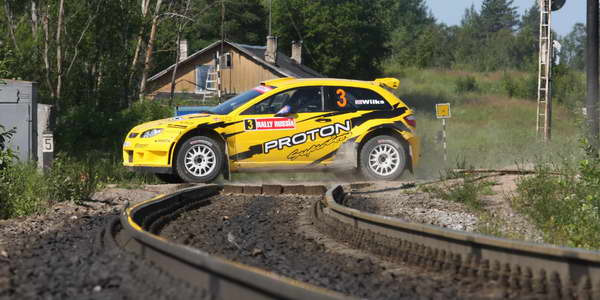
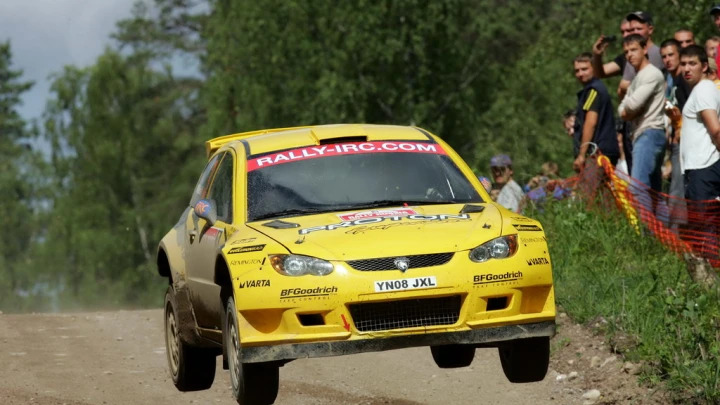
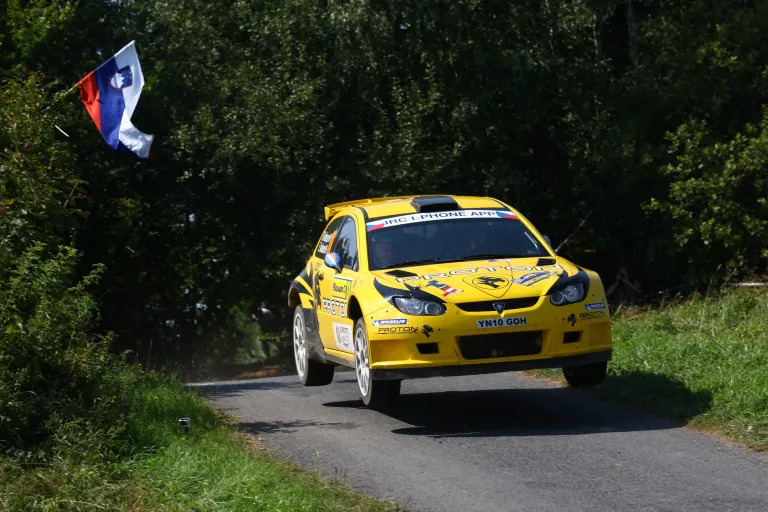
| 2009 | Rally Russia (Intercontinental Rally Challenge) | 9–11 Jul 2009 | Guy Wilks / Phil Pugh | 4th overall | Strong gravel result for the Satria Neo S2000. |
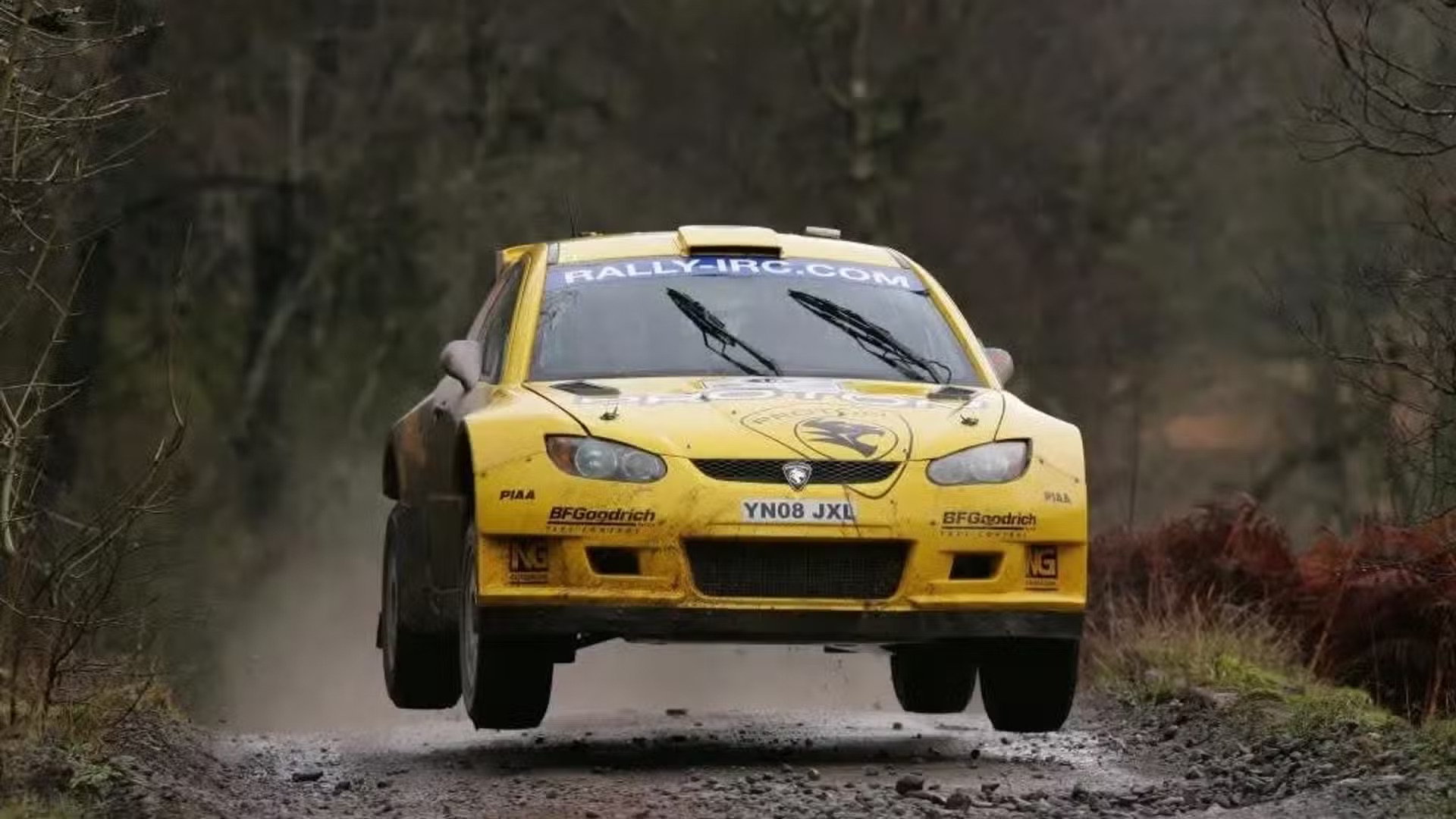
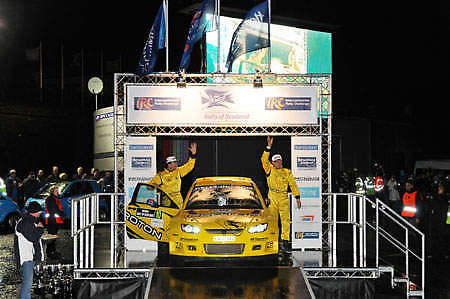
| 2009 | Rally of Scotland (IRC) | 19–21 Nov 2009 | Alister McRae / Billy Hayes | 2nd overall (after stewards’ decision) | Best-known IRC podium for the Neo S2000. |
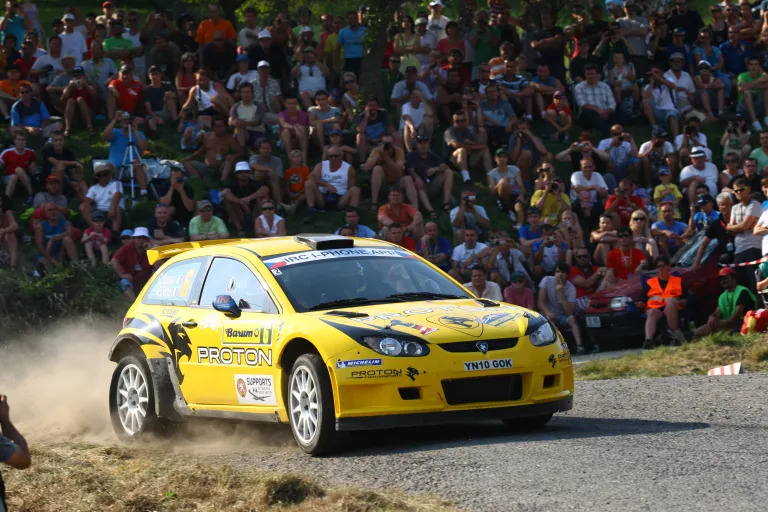
| 2009 | Barum Czech Rally Zlín (IRC / ERC round) | Aug 2009 | Guy Wilks / Phil Pugh | Retired (engine) | Proton showed pace but suffered mechanical retirement. |
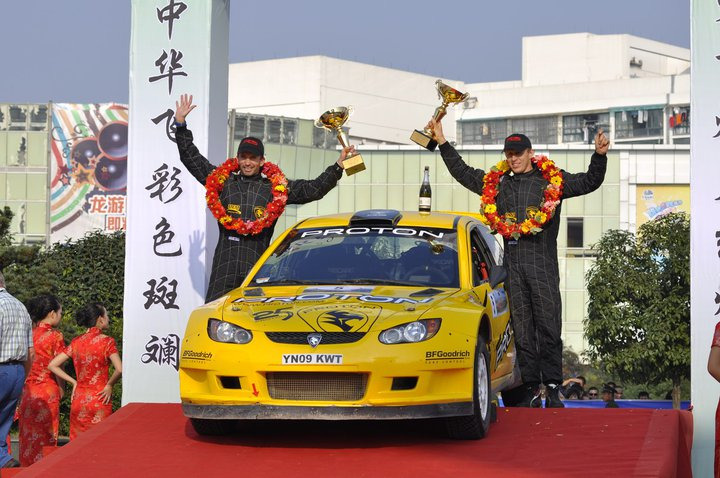
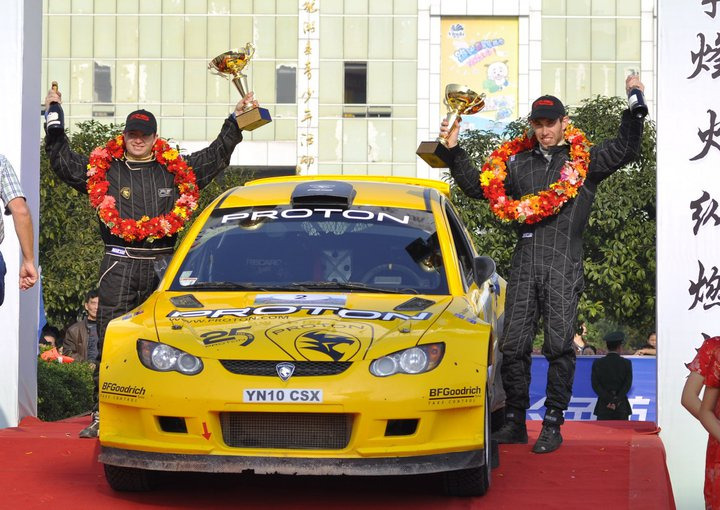
| 2010 | China Rally (APRC leg) | Nov 2010 | Alister McRae / William Hayes; Chris Atkinson / Stéphane Prévot | Proton 1–2 (leg / stage wins / very strong result) | Proton Satria Neo S2000 achieved a 1–2 result in China stages/legs that year. |
| 2011 | International Rally of Whangarei (APRC) | Jul 2011 | Chris Atkinson / Stéphane Prévot | 1st overall (McRae 2nd) | Proton scored a 1–2 in APRC standings at Whangarei (Atkinson 1st, McRae 2nd). |
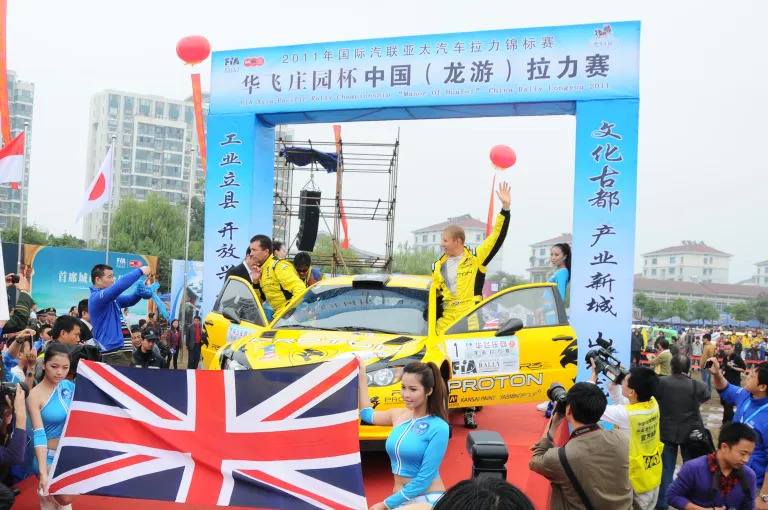
| 2011 | Rally China — Longyou (APRC final round) | Nov 2011 | Alister McRae / William Hayes | 1st overall (clinched APRC drivers’ title) | McRae’s win helped clinch the 2011 APRC Drivers’ title and Proton the Manufacturers’ title. |
| 2011 | 2011 Asia-Pacific Rally Championship | Season summary | Alister McRae (Proton) | APRC Drivers’ Champion (2011) | Proton also secured the APRC Manufacturers’/Teams’ title in 2011. |
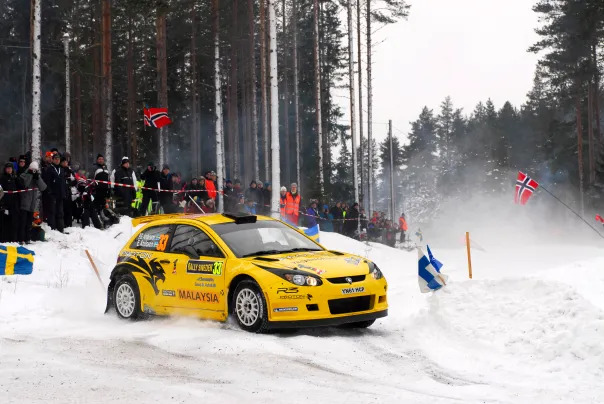
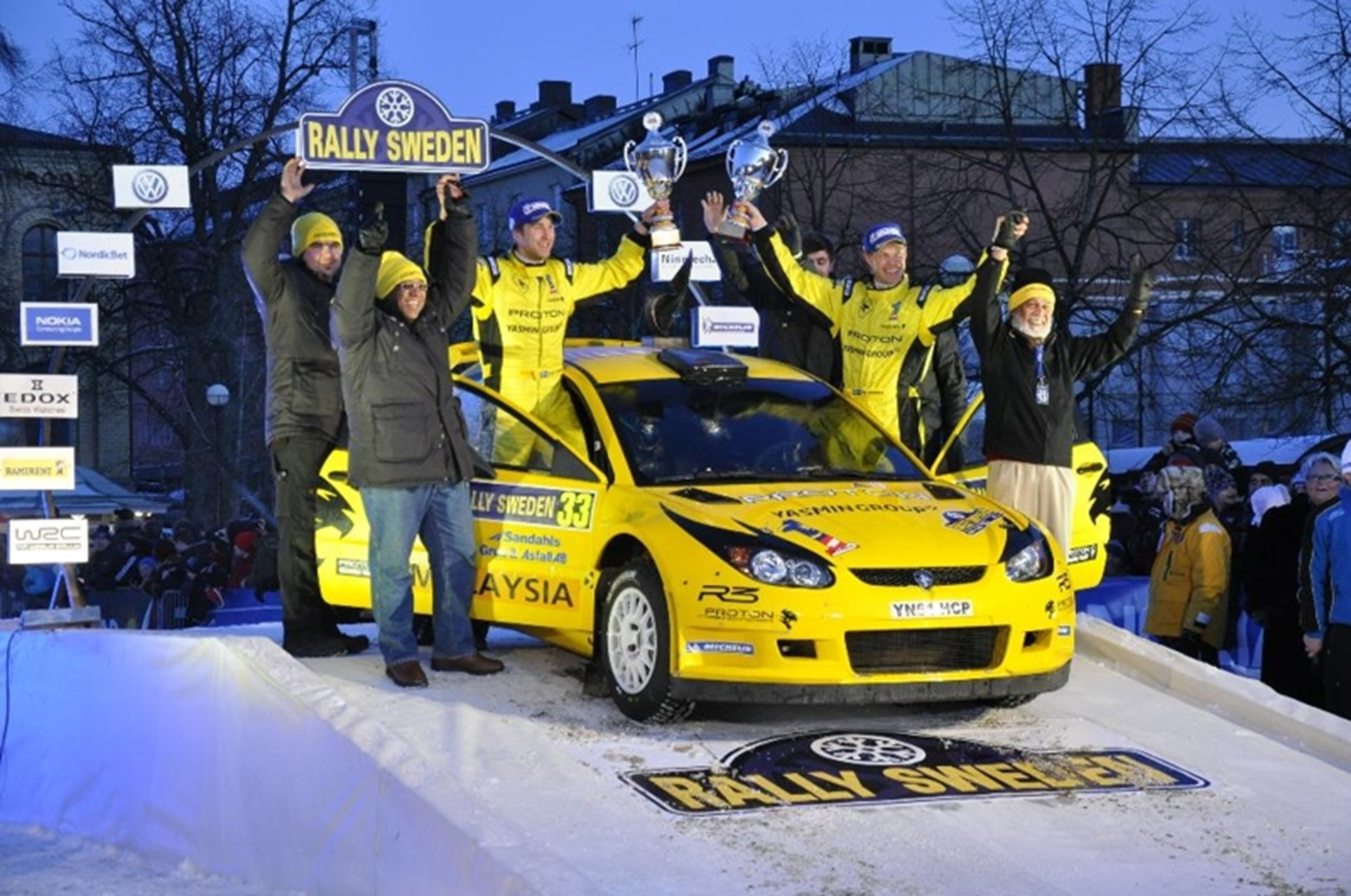
| 2012 | Rally Sweden (S-WRC / S2000 class) | Feb 2012 | Per-Gunnar Andersson / Emil Axelsson | 1st in S-WRC (S2000 class) | Proton won the S-WRC category at Rally Sweden with Andersson in the Satria Neo S2000. |
2009 Rally Russia (Intercontinental Rally Challenge)
2009 Rally of Scotland (IRC)
2009 Barum Czech Rally Zlín (IRC / ERC round)
2010 China Rally (APRC leg)
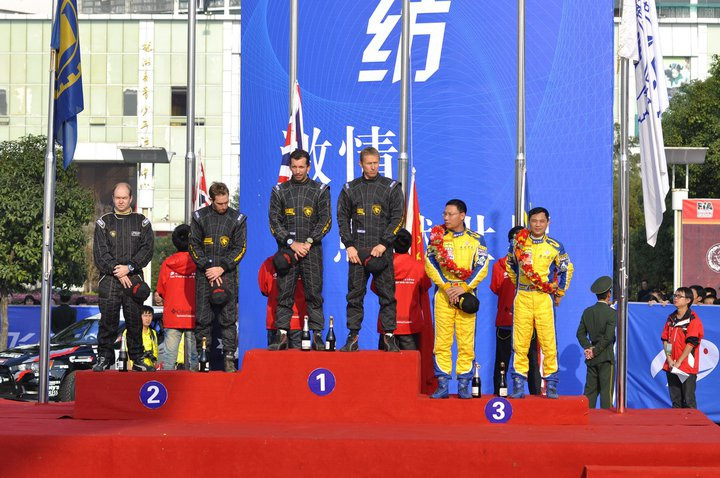
2011 International Rally of Whangarei (APRC)
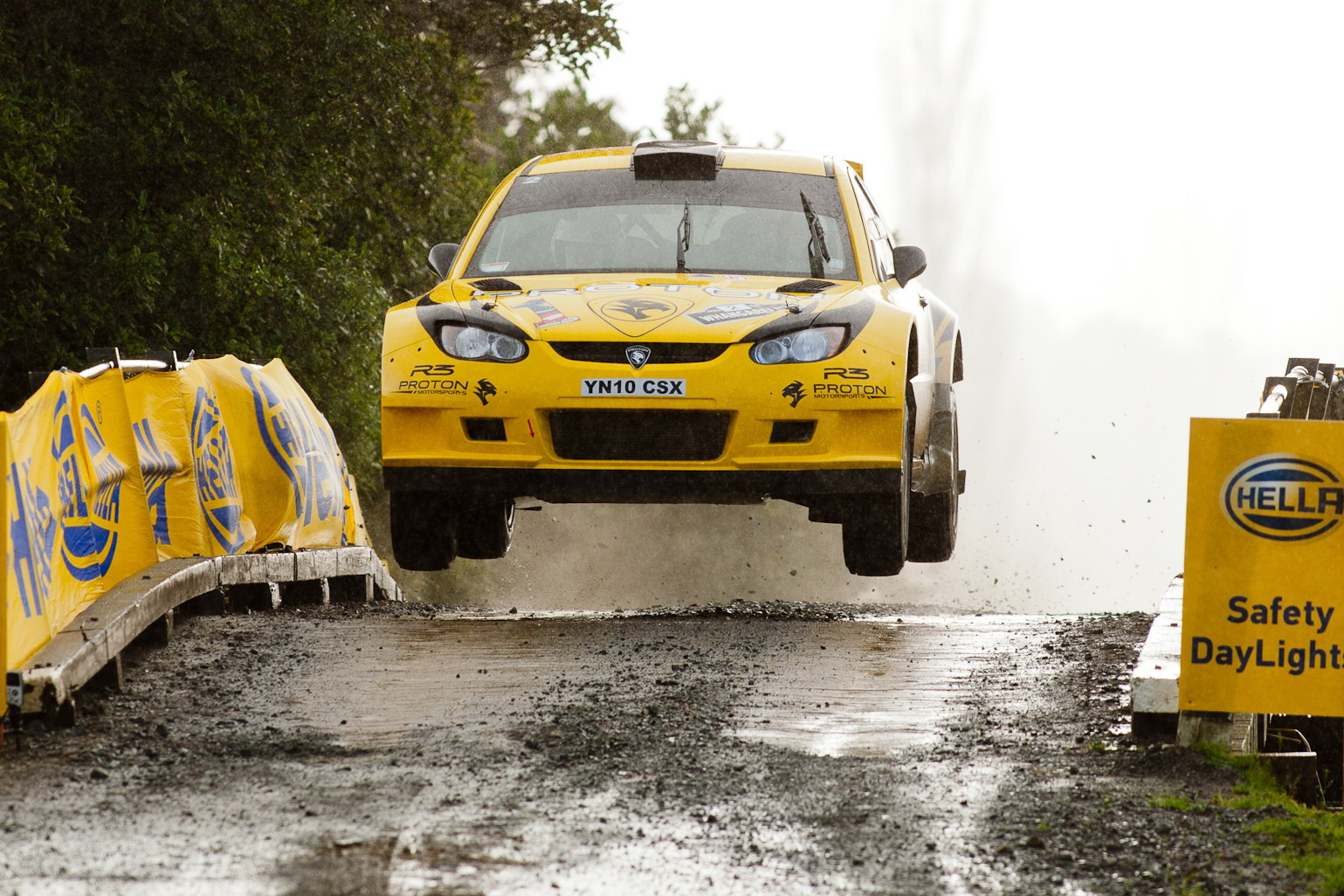

2011 Rally China — Longyou (APRC final round)
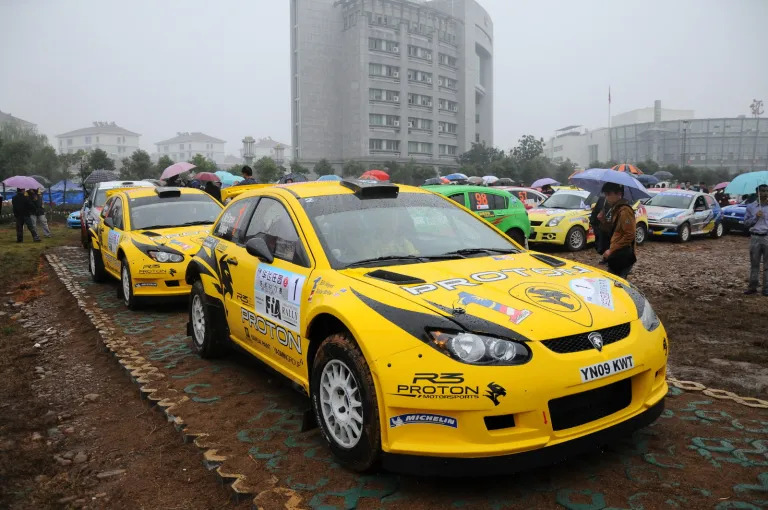
2012 Rally Sweden (S-WRC / S2000 class)
Conclusion (click to view)
The End of An Era: Changing Times
Despite its achievements, the S2000 period was short-lived. In 2013-2014, the WRC adopted new R5 standards, and several manufacturers followed suit. With internal restructuring and lack of funding, Proton decided not to create a R5 replacement.
The Satria Neo S2000 eventually faded from top-level competition, continuing only in selected national rallies and privateer entrants. The initiative eventually came to a halt, rounding off one of Proton’s most ambitious motorsports endeavor.
Legacy: The Malaysian Underdog That Earned Worldwide Respect
Today, Proton Satria Neo S2000 is a pride of many Malaysian rally enthusiasts. Although it lacks budget and resources of its European counterparts, it won podiums, championships, and delivered exceptional performances on the world stage.
For Proton, it represented more than just motorsport; it shows that a Malaysian multinational automotive company could build a world-class rally machine capable of outperforming the best. It represents underdog determination, engineering passion and the bold spirit of rallying.
The Satria Neo S2000 did more than just compete; it earned respect, and its legacy goes on.
Lesser known facts (click to view)
- The S2000 engine was co-developed with MEM (Mellors Elliot Motorsport), who later used their expertise to build the Iriz R5.
- The Satria Neo road car was never all-wheel drive, but the S2000 version was completely re-engineered into a full 4WD machine.
- Proton’s APRC effort was one of the largest motorsport campaigns ever undertaken by a Southeast Asian automaker.
Blueprint (click to view)
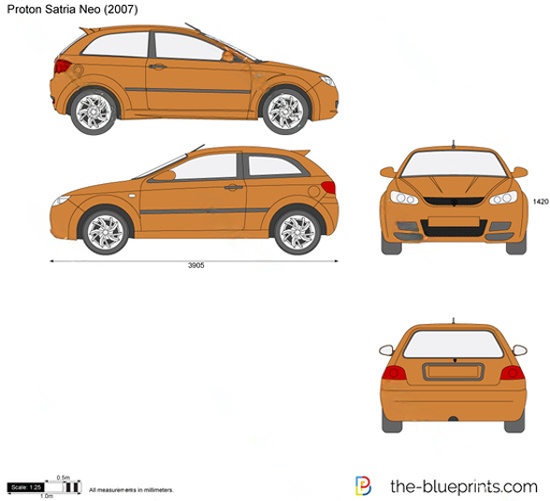
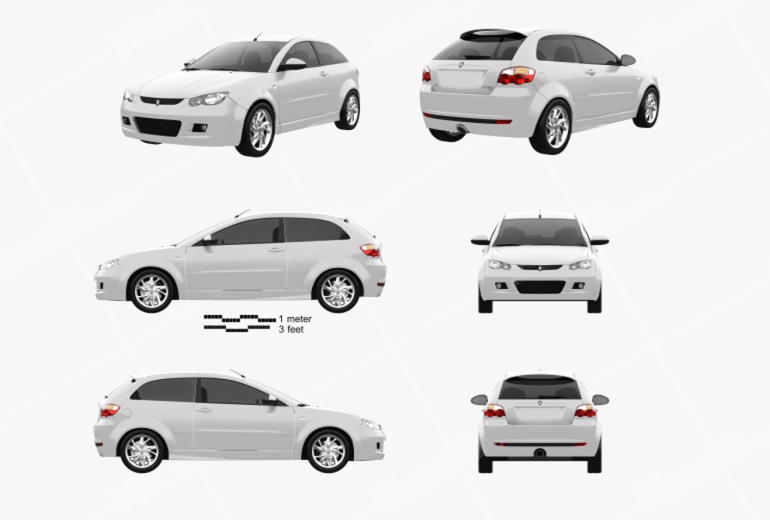
There no avaliable blueprint for the rally version, here is the stock version it’s based on:
References (click to view)
https://protonmotorsports.wordpress.com/
Proton Satria Neo Super 2000 Rally Car | PROTON Motorsports
Proton Satria Neo S2000 - eWRC-results.com
MEM Proton Satria Neo Super 2000 - paultan.org
We ride with Alister McRae in the Proton Satria Neo Super 2000 rally car! (with VIDEO) - paultan.org
Close-up look at the Proton Satria Neo S2000 rally car